
Racing in Michigan Gets Huge Win; "Right to Race" Passes House, Moves to the Senate
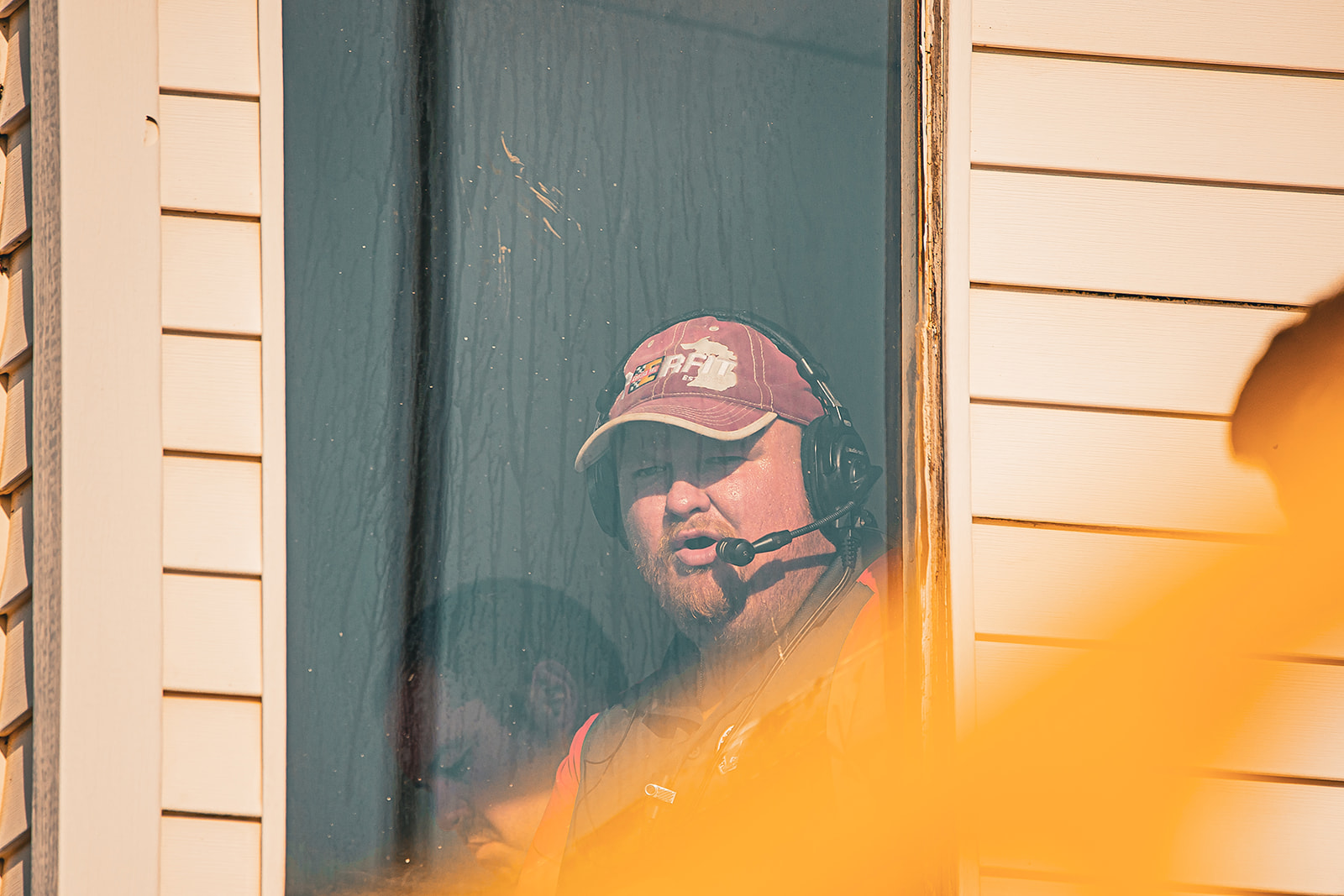

Lansing, MI - Motorsports in Michigan got a huge boost of confidence on Thursday afternoon. House Bill 5652, better known as the "Right to Race", passed the Michigan House Floor 68/34 with eight voters abstaining. Now, the attention turns to the Senate Committee of Regulatory Affairs and SB 773.
SB 773 provides a balanced, common-sense framework to ensure that racetracks lawfully constructed and operating before surrounding development are not subject to unfair nuisance claims simply because residential growth has moved closer over time. The bill does not shield bad actors or excuse unlawful conduct. Instead, it provides clarity and legal certainty so that longstanding facilities can continue to operate without the constant threat of litigation that can ultimately force closure.
While the Bill isn't on the floor for voting just yet, the time has come for race fans, drivers, car owners, track officials, and anyone with a passion and love for the sport to make their voices heard, but with the right tone. During a recent Michigan Speedway Promoter's Association meeting, Tierra Hubbard, Senior Manager of State Government Affairs with SEMA/PRI, explained that citizens should write letters and contact their representatives, encouraging them to offer support of SB 773. But noted that people need to make sure they're using a tone that is not aggressive or threatening, but rather positive and encouraging.
Residents who wish to contact their Senator can find their District's Senator by clicking here. Below are examples of what should and should not be mentioned in the letter from different members of the racing industry:
BUSINESS AND COMMUNITY LEADERS
Local racetracks are long-standing businesses that operate legally and contribute
to stable local economies.
Racetracks drive significant economic activity—supporting hospitality, fuel sales,
manufacturing, logistics, and small businesses throughout the region.
Many tracks predate surrounding development and made long-term investments
in reliance on existing laws and local approvals.
Predictable rules matter. Businesses need certainty that lawful operations won’t
be undermined years later by nuisance claims tied to new development.
Racetracks create jobs, generate tax revenue, and attract tourism while serving
as anchors for broader commercial activity.
Right-to-Race protections are about fairness, ensuring that businesses following
the law are not penalized retroactively.
These protections help preserve private investment, avoid unnecessary litigation,
and reduce pressure on courts and local governments.
The legislation supports responsible operations while balancing growth,
economic development, and community interests
Protecting racetracks protects local economies, workforce stability, and long-
standing community institutions.
Topics to Avoid
• Avoid criticizing specific neighbors, developers, or individual complaints.
• Avoid framing the issue as business vs. residents or growth vs. racing.
• Avoid suggesting exemptions from environmental, safety, or zoning laws.
• Avoid emotional language or personal anecdotes unrelated to economic impact.
• Avoid implying hostility toward local governments or regulators.
TRACK OPERATORS
Our facility has been part of the community for many decades. We want to
continue operating as we always have.
The track supports local jobs, tourism, and brings steady business to hotels,
restaurants, retail shops, and gas stations.
Motorsports brings significant economic impact to Michigan and helps keep many
small businesses alive.
We follow federal and state law, maintain our permits, and operate safely and
responsibly.
New development near long-standing tracks created more nuisance complaints
and lawsuits. These lawsuits threaten facilities that predate the new neighbors.
Right-to-Race protections are a common-sense issue. If the track was here first,
it should not be shut down by complaints from people who chose to build or
move nearby.
Other states (IA and NC) have already passed similar protections. Over a dozen
states have this racing through the legislature this year. Michigan has an
opportunity to do this before tracks are forced to close.
Protecting established tracks keeps jobs, tourism, and community events in place
for the long term.
Topics to Avoid
Do not criticize specific neighbors or developers.
Do not speak negatively about local officials or the courts.
Do not talk about operating outside of permits.
Do not frame the track as opposed to housing or local growth.
Do not use emotional or confrontational language about complaints.
PROMOTERS
Our events bring fans, drivers, and teams who spend money across the
community every race weekend.
Promoted events keep tracks active and create steady economic activity for local
hotels, restaurants, and small businesses.
Motorsports draws people from across the state and creates repeat tourism.
We work closely with track owners to run safe, well-organized events that follow
all legal requirements.
Lawsuits from people who moved near long-standing tracks can shut down
events that have been held for decades.
Right to Race protections ensure that long-running events are not lost because
new neighbors file nuisance complaints.
This helps preserve local traditions, community pride, and family-friendly events.
Michigan can protect its racing economy and keep events alive by moving
forward with these protections.
Topics to Avoid
Do not criticize specific neighbors or developers.
Do not speak negatively about local officials or the courts.
Do not talk about operating outside of permits.
Do not frame the track as opposed to housing or local growth.
Do not use emotional or confrontational language about complaints.
RACERS
Local tracks give us a safe and legal place to race. That is good for the
community.
Racers spend money locally on fuel, hotels, food, parts, and repairs. Our
presence supports small businesses every race weekend.
Many of us grew up at these tracks. They are part of Michigan’s culture and
tradition.
We want to race responsibly, follow the rules, and support the track operators
who run things safely.
Complaints and lawsuits from new neighbors put the future of our home tracks at
risk.
Right to Race protections help keep long-standing tracks open so racers of all
ages have a place to compete.
Protecting these tracks protects families, teams, and the future of the sport.
Topics to Avoid
Do not criticize specific neighbors or developers.
Do not speak negatively about local officials or the courts.
Do not talk about operating outside of permits.
Do not frame the track as opposed to housing or local growth.
Do not use emotional or confrontational language about complaints.


Comments